Everything You Need to Know About Mobile Welding: A Comprehensive Guide
what is mobile welding
3/2/20268 min read
Introduction to Mobile Welding
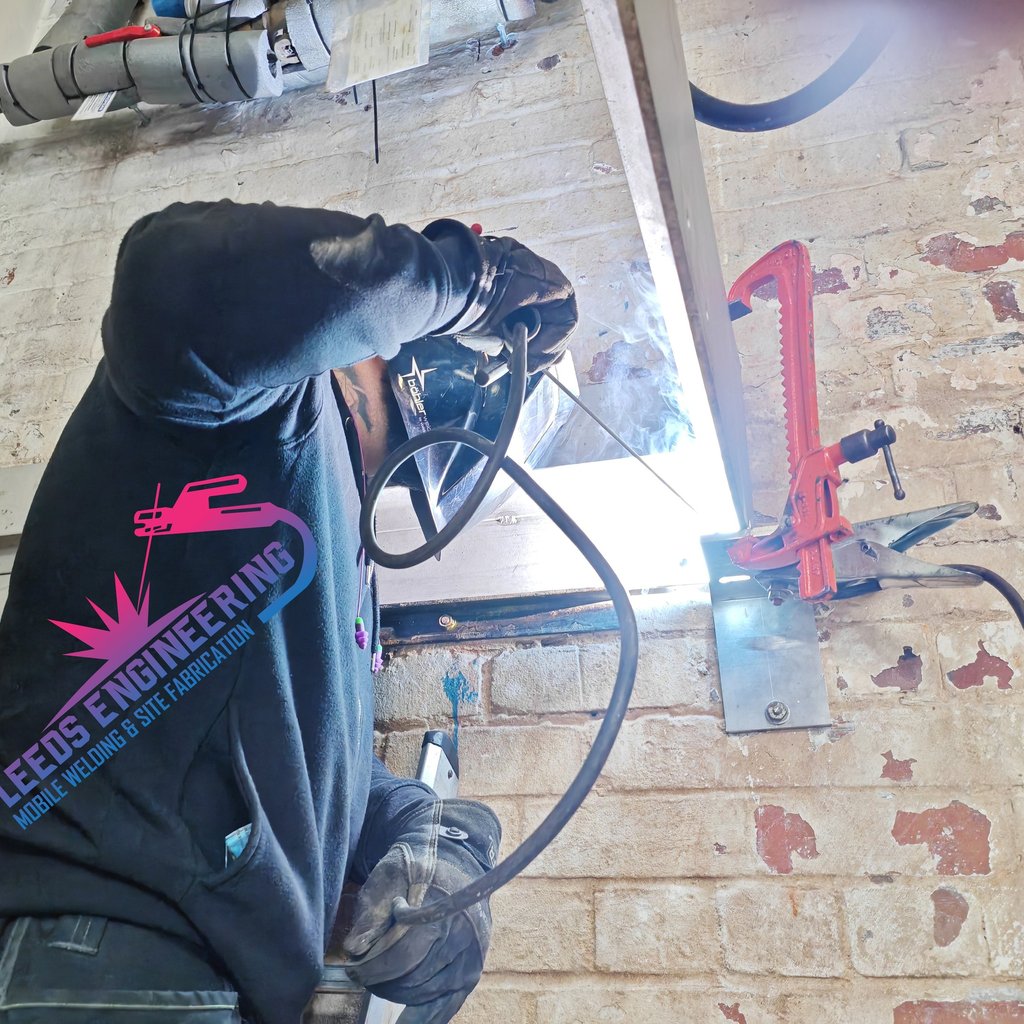
Mobile welding is a service that restores and fabricates metal structures directly at the location of the client, offering a unique blend of convenience and efficiency. This form of welding has surged in popularity due to its adaptability to various projects ranging from automotive repairs to large-scale industrial applications. Rather than transporting materials to a fixed welding shop, skilled professionals bring their equipment and expertise to sites where repairs or modifications are necessary.
One of the key advantages of mobile welding is its ability to accommodate a variety of work environments. This includes residential, commercial, and industrial sites, making it a versatile solution for diverse welding needs. Whether it's repairing a fence, crafting custom industrial equipment, or performing structural modifications, mobile welders are equipped to address a wide array of projects on-site. This not only saves time but also reduces transportation costs associated with moving materials to a traditional welding shop.
Furthermore, mobile welding services leverage the latest technology and equipment, enabling high-quality workmanship regardless of location. This service is particularly beneficial for emergency repairs, where the immediacy of needing a welding solution can significantly affect the workflow or safety at the site. As a result, the demand for mobile welding continues to grow, establishing it as an essential aspect of the welding industry.
In conclusion, mobile welding presents an efficient alternative for clients in need of immediate and reliable welding services across various sectors. Its flexibility to address different types of projects and its potential for cost savings make it a preferable choice for many seeking skilled welding solutions.
The Benefits of Mobile Welding Services
Mobile welding services offer a wide range of advantages for both businesses and individuals, making them a convenient option for various welding needs. One of the primary benefits is the convenience that these services provide. Instead of transporting materials to a fixed welding shop, mobile welders come directly to the client's location. This saves time and effort, allowing for a seamless process, which is particularly beneficial for projects that require urgent attention.
Another significant advantage is the direct access to on-site repairs. Mobile welding enables skilled professionals to address issues immediately, reducing downtime for equipment and preventing further damage. For example, a construction company may require urgent welding repairs on-site for heavy machinery. Utilizing mobile welding can significantly reduce delays and keep the project on track.
Flexibility in scheduling is also a notable benefit of mobile welding services. Clients can typically choose appointment times that best fit their schedules, accommodating the demands of their business operations. This level of flexibility can be particularly advantageous for industries such as manufacturing, where production schedules can often be disrupted by unexpected repairs.
Moreover, mobile welding can often be more cost-effective compared to traditional welding services. By eliminating transportation costs and minimizing the equipment downtime, businesses can save money over time. For instance, a small business might avoid substantial losses by opting for mobile welding, thus ensuring that their operations continue smoothly without incurring excessive expenses. In summary, the many benefits of mobile welding services—including convenience, immediate access to repairs, flexibility, and cost savings—make them an increasingly popular choice for various welding projects.
Different Types of Mobile Welding Techniques
Mobile welding encompasses various techniques that can be conducted at the site of need, offering versatility and convenience for a range of projects. Among the most popular methods are MIG welding, TIG welding, and stick welding, each possessing unique characteristics suitable for specific applications.
MIG welding, or Metal Inert Gas welding, is a widely-used technique that utilizes a continuous wire feed as an electrode and a shielding gas to protect the weld pool from contamination. This method is favored for its speed and efficiency, making it ideal for both thin and thick materials. It is particularly effective in applications such as automotive repairs and fabrication of light structures. However, while MIG welding is relatively easy to learn, it requires careful attention to settings and environmental conditions, as wind can disrupt the shielding gas.
TIG welding, or Tungsten Inert Gas welding, is characterized by its precision and control. This technique uses a non-consumable tungsten electrode to produce the weld, with a separate filler material added if necessary. TIG welding is known for creating high-quality and aesthetically pleasing welds, making it suitable for applications where appearance is critical, such as in the aerospace and automotive industries. However, TIG welding is more complex than MIG and requires a higher skill level to master, which can be a challenge for some welders.
Additionally, stick welding, or Shielded Metal Arc Welding (SMAW), is one of the oldest welding methods. It involves the use of a consumable electrode coated in flux, which produces gas to shield the weld area. Stick welding is particularly advantageous in outdoor environments and is effective on rusty or dirty materials, making it a preferred choice for construction and repair tasks. Although it requires some practice to achieve optimal results, stick welding is known for its reliability and versatility.
In conclusion, understanding the different types of mobile welding techniques and their applications can significantly influence the choice of method for specific projects. Each technique offers distinct advantages and potential challenges that should be considered to achieve the desired results effectively.
Essential Equipment and Tools for Mobile Welding
Mobile welding requires a specialized set of equipment and tools to ensure safe and effective operations. One of the primary components of mobile welding is the welding machine itself, which can include MIG, TIG, or stick welders, depending on the types of projects being undertaken. Portable welding machines are designed for mobility and often come with features that allow them to operate efficiently in various environments, including construction sites and repair jobs.
Another critical piece of equipment is the generator. Many mobile welding operations take place in remote locations without access to electricity, making a reliable generator indispensable. Generators provide the necessary power to run welding machines and other tools, ensuring that the welder can complete tasks without interruptions. It is essential to select a generator with adequate output capacity to match the welding equipment being used.
Safety gear also cannot be overlooked in mobile welding scenarios. This includes protective clothing, gloves, helmets with proper face shields, and respiratory protection if necessary. High-quality safety gear is fundamental in protecting against exposure to harmful UV rays, intense heat, and potential sparks that occur during the welding process. Additionally, having first aid kits readily available is advisable for immediate responses to any incidents or injuries that may occur on-site.
Finally, various hand tools play a supportive role in mobile welding. This can include clamps, grinders, and cutting torches, which are utilized for preparation and finishing work. Ensuring that all tools are of high quality will contribute to the overall success of welding projects, providing durability and precision necessary for different applications. By utilizing the right equipment and tools, mobile welders can achieve professional outcomes consistently, regardless of their working environment.
Safety Measures in Mobile Welding
Safety is of paramount importance in the mobile welding industry, given the inherent risks associated with welding operations. Mobile welders are often required to work in various environments, which can expose them to unique hazards. Adopting critical safety practices and precautions is essential for protecting both the welder and the surrounding individuals.
One of the most fundamental safety measures involves the use of personal protective equipment (PPE). Welders should be equipped with appropriate gear such as helmets with face shields, flame-resistant clothing, gloves, and protective footwear. These elements are crucial in shielding against burn injuries and exposure to harmful ultraviolet and infrared radiation emitted during welding. Additionally, respiratory protection, such as masks or respirators, should be considered, particularly when working in confined spaces or with materials that generate harmful fumes.
Conducting hazard assessments is another vital component of ensuring safety in mobile welding. Before commencing any project, welders should evaluate the work environment for potential risks, including flammable materials, inadequate ventilation, and electrical hazards. Such assessments help in the development of effective safety protocols tailored to the specific conditions of a worksite.
The safe handling of materials is equally important. Welders must adhere to proper storage protocols and ensure the secure transport of equipment and materials to prevent accidents. Moreover, awareness of the properties of the metals being welded can aid in preventing chemical exposure and fires.
Training and ongoing education are critical in maintaining safety standards within the mobile welding industry. Welders should participate in regular safety training sessions to stay updated on the latest equipment, techniques, and regulations. This continuous emphasis on education serves to reinforce safe practices and foster a culture of safety among welders.
Common Applications of Mobile Welding
Mobile welding services are increasingly becoming a crucial aspect of various industries due to their adaptability and convenience. One of the primary applications of mobile welding is in the construction industry. During the construction of buildings and infrastructures, mobile welders are employed to assemble metal structures, ensuring stability and durability. Their ability to work on-site, without the need for transporting materials to a fixed location, greatly accelerates the construction process.
Another prevalent application of mobile welding is found in the automotive repair sector. Many vehicle repairs often require welding for bodywork, exhaust systems, or structural reinforcements. Mobile welders provide essential services directly at an auto repair shop, or in cases where a vehicle cannot be driven, at the location of the vehicle breakdown. This flexibility not only saves time but also lowers transportation costs associated with taking vehicles to designated repair shops.
The pipe fitting industry also benefits significantly from mobile welding services. Pipe welders can execute repairs and installations for both residential and industrial pipelines on-site. This is particularly valuable in situations such as leaks or corrosion, where immediate intervention is critical to avoid further damage or operational disruptions.
Additionally, mobile welding is indispensable during emergency repairs. For instance, in instances of natural disasters or industrial accidents, the ability to mobilize a welding team quickly can be vital. Emergency responders often require immediate repairs to infrastructure, which may involve welding damaged steel beams or metal structures to restore functionality.
Overall, the versatility of mobile welding services allows for a wide range of applications across various industries, making it an invaluable resource for timely and effective repairs and construction efforts.
How to Choose the Right Mobile Welding Service
When it comes to selecting a mobile welding service, it is imperative to assess several key factors. First and foremost, evaluating the qualifications of the welders is crucial. Ensure that they possess the appropriate certifications and training required for the specific type of welding services you require. Qualified welders will not only adhere to safety standards but also ensure high-quality workmanship that meets industry regulations.
Next, it is advisable to check the previous work of the mobile welding service you are considering. Many reputable services offer portfolios or case studies showcasing their past projects. This will give you an insight into their skill level and expertise. If possible, request references from former clients to gain a clearer understanding of their overall satisfaction and the quality of services provided.
Understanding pricing structures is another critical aspect. Mobile welding services may have varying pricing models based on the complexity of the job, materials used, and travel time. It is essential to obtain detailed quotes from multiple services and compare what is included in their rates. A lower price does not always equate to better value; therefore, weigh the cost against the qualifications and quality of work.
Lastly, reading reviews and testimonials can provide valuable insights into the reliability and professionalism of the mobile welding service. Look for online reviews, or ask for recommendations from peers. Pay attention to recurring comments on punctuality, communication, and overall customer service experience, as these factors greatly influence your final decision.
By taking the time to consider these aspects, you can make a well-informed decision when hiring a mobile welder, ensuring that your projects are executed with the utmost quality and care.
Services
© 2024. All rights reserved.