Understanding Site Welding: Why Leeds Engineering Ltd Is Your Best Choice
3/2/20268 min read
What is Site Welding?
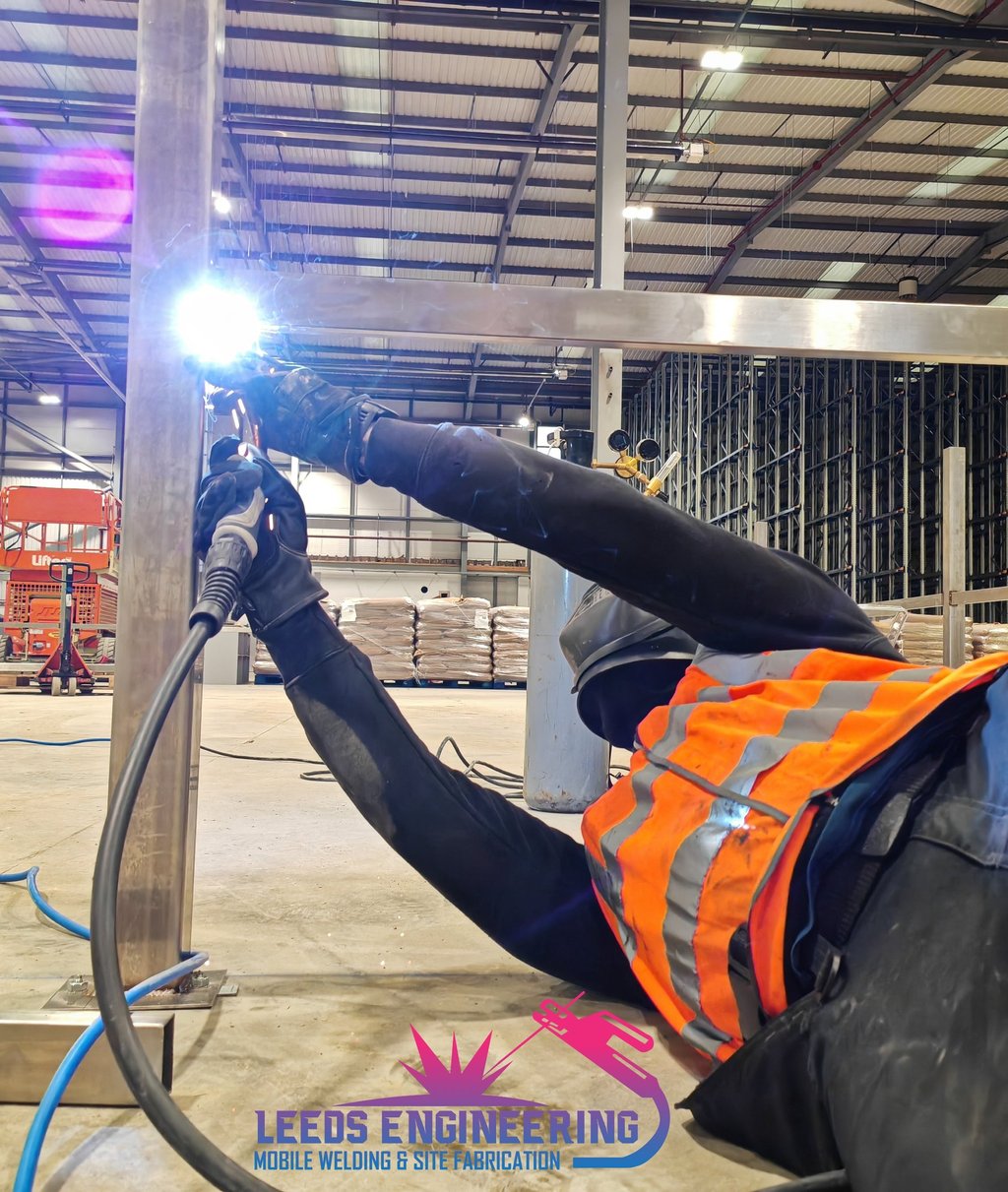
Site welding is a specialized process used to join metal components at the location where the structure or assembly is being constructed, rather than in a controlled factory environment. This method is widely employed across various sectors such as construction, manufacturing, and maintenance, particularly when large components are involved or when on-site modifications are necessary. The primary aim of site welding is to provide a strong, reliable connection between metal parts, which is essential for the structural integrity of the project.
The process of site welding involves several steps, starting with the preparation of the metal surfaces to ensure a clean and fit connection. This often includes cutting, grinding, or machining the edges to be welded. Following the preparation, the appropriate welding technique is employed, which can vary based on the materials and conditions. Common methods include arc welding, MIG (Metal Inert Gas) welding, and TIG (Tungsten Inert Gas) welding. Each of these techniques requires specific equipment such as welding machines, protective gear, and safety equipment, adhering to regulations to protect workers and ensure quality outcomes.
Typically, steel, aluminum, and other alloy materials are used in site welding, as they can withstand significant stress and are common in the fabrication of structural elements. The choice of material is often dictated by the end-use of the welded components and the environment they will be exposed to. Moreover, site welding is integral during the erection of buildings, the installation of machinery in industrial sites, and the maintenance of aging infrastructure. Each application highlights the versatility and necessity of this welding technique, making it an essential skill within engineering and construction fields.
The Importance of Site Welding in Engineering
Site welding plays a critical role in the realm of engineering, providing numerous advantages that can significantly influence project outcomes. Unlike shop welding, which is performed in controlled environments, site welding occurs directly at the project location. This approach offers enhanced flexibility and adaptability, allowing engineers to respond swiftly to unforeseen challenges and requirements that may arise during construction.
One of the foremost benefits of site welding is its cost-effectiveness. By performing welding on-site, contractors can minimize transportation and logistical expenses related to moving large fabricated parts. This not only reduces the overall costs of the project but also shortens the lead time for project completion. The ability to modify and make changes on-the-spot can further contribute to lower expenses and more effective resource management.
In addition to cost savings, site welding is often more time-efficient. Projects often face strict deadlines, and site welding enables faster assembly and construction. This time-saving aspect is particularly important in complex projects where delays can lead to increased costs and extended timelines. A real-life example can be seen in the construction of the new Leeds Arena, where site welding allowed for the rapid assembly of structural components. Welding teams were able to execute essential modifications to the steel framework, thus ensuring that the project remained on track and met all regulatory requirements.
Moreover, site welding enhances quality control, as it allows engineers to oversee and manage the welding process closely. With proficient welders on-site, any necessary adjustments can be made in real-time, leading to stronger and more reliable joint integrity. Consequently, the combination of flexibility, cost-effectiveness, and time efficiency positions site welding as an indispensable method in the success of modern engineering projects.
Key Techniques and Methods in Site Welding
Site welding incorporates various techniques tailored to meet distinct project requirements. Among the most commonly used methods in this field are MIG (Metal Inert Gas), TIG (Tungsten Inert Gas), and Stick welding. Each of these approaches offers unique benefits and drawbacks, influencing their applicability based on specific working conditions and material types.
MIG welding is renowned for its speed and efficiency, making it a preferred choice for projects requiring high productivity. This technique utilizes a continuous wire feed and an inert gas to shield the weld area from contamination, allowing for smooth and consistent results on thin materials. However, while MIG is versatile, it may not be suitable for outdoor work due to wind interference which can disrupt the shielding gas.
TIG welding is another prominent method renowned for its precision and capability to produce high-quality welds, particularly on stainless steel and aluminum. It employs a non-consumable tungsten electrode that ensures a cleaner weld, which is essential for critical applications. The main drawback of TIG welding is its slower operation compared to other methods, necessitating a higher skill level from the welder. Consequently, it is often reserved for intricate or detailed tasks rather than mass production.
Stick welding, or Shielded Metal Arc Welding (SMAW), is recognized for its simplicity and portability, making it ideal for outdoor and remote site applications. This technique employs a consumable electrode that creates a molten puddle for joining metals. While stick welding is versatile and can be performed in various positions, it is generally slower and less precise than MIG and TIG welding. Additionally, it leaves slag that needs to be cleaned post-welding, which can be a consideration for final aesthetics.
In essence, each welding method exhibits distinct properties suited to various contexts. Understanding these key techniques in site welding is crucial for informed decision-making when selecting the appropriate method for your project.
Challenges and Considerations in Site Welding
Site welding, while offering many advantages, also presents a unique set of challenges that must be navigated effectively. One of the primary concerns is the impact of weather conditions on the welding process. Adverse weather such as rain, snow, or extreme temperatures can significantly hinder the ability to perform high-quality welds. For instance, moisture can lead to issues like welding porosity, which compromises the integrity of the weld joint. It is crucial for welding professionals to monitor weather patterns and implement protective measures, such as tents or temperature control equipment, when working in less than ideal conditions.
Accessibility of the site is another major factor influencing the execution of site welding. Complex job sites can pose difficulties regarding equipment maneuverability and worker safety. These challenges might necessitate the use of specialized tools or techniques, further complicating the project timeline and budget. Accessibility issues not only affect the efficiency of the welding process but may also lead to increased labor costs if additional resources are required to navigate complex environments.
Moreover, adherence to safety regulations is paramount in site welding activities. Strict compliance with occupational safety standards cannot be overstated. Site inspections, proper protective gear, and the establishment of clear safety protocols are essential to mitigate risks associated with welding operations. Failure to adhere to safety measures can result in severe accidents, operational delays, and legal repercussions. Thus, it is essential for welding contractors like Leeds Engineering Ltd to thoroughly understand and integrate these considerations into their workflow to ensure both quality outcomes and worker safety.
Leeds Engineering Ltd: A Leader in Site Welding Services
Founded several decades ago, Leeds Engineering Ltd has established itself as a prominent name in the field of site welding services. The company prides itself on delivering high-quality welded structures, navigating complex projects with precision and expertise. With a robust team of certified welders and engineers, Leeds Engineering Ltd has successfully completed numerous projects across various sectors, including construction, energy, and manufacturing.
One of the key factors that set Leeds Engineering Ltd apart is its commitment to adhering to the highest industry standards. The company is ISO 9001 certified, which demonstrates its dedication to maintaining quality assurance throughout its welding processes. This commitment has garnered Leeds Engineering Ltd a reputation for reliability and excellence among its clients. The skilled professionals at Leeds Engineering are regularly trained in the latest welding techniques and technologies, ensuring they remain at the forefront of the industry.
Leeds Engineering Ltd's expertise is further highlighted through a collection of significant projects. For instance, the company played a crucial role in the construction of a state-of-the-art manufacturing facility, where complex site welding solutions were required to meet stringent structural demands. Another notable project involved collaboration with a leading energy firm to provide on-site welding services for pipeline installation, necessitating a blend of precision and efficiency under time constraints.
These case studies not only demonstrate the technical capabilities of Leeds Engineering Ltd but also underscore its dedication to customer satisfaction, timely delivery, and innovative problem-solving. Clients frequently commend the company for its ability to adapt to changing project requirements while maintaining high safety standards and effective communication. Such attributes solidify Leeds Engineering Ltd’s standing as an industry leader in site welding services, making it the preferred choice for clients seeking exceptional workmanship and reliability.
Customer Testimonials and Case Studies
Leeds Engineering Ltd has earned a reputation for excellence in site welding, as evidenced by the numerous testimonials from satisfied clients. One of the standout comments comes from a recent industrial client who experienced a significant improvement in production efficiency after utilizing Leeds Engineering's services. The client stated, "The precision and artistry in the welding process provided by Leeds Engineering have exceeded our expectations. Their attention to detail has not only optimized our workflow but also enhanced the durability of our equipment." This feedback emphasizes the commitment to quality that defines Leeds Engineering Ltd.
In another remarkable case study, Leeds Engineering collaborated with a local manufacturing plant to deliver a custom welding project under a strict deadline. The project involved assembling complex structural components under challenging conditions. According to the project manager of the plant, "Leeds Engineering Ltd showcased exceptional skill and professionalism. Their site welding team worked diligently to meet our specifications and timeline, ensuring that the project was completed successfully while adhering to all safety standards." This case exemplifies how Leeds Engineering Ltd's expertise in site welding enables them to handle high-pressure scenarios effectively.
Furthermore, a long-time client in the construction sector shared their experience by stating, "Working with Leeds Engineering has been a game-changer for our projects. Their site welding techniques have not only improved the aesthetic appeal of our structures but have also contributed to their overall safety and integrity. The team's ability to adapt to our evolving needs is a testament to their customer-oriented approach." Such testimonials collectively underline the merits of choosing Leeds Engineering Ltd for site welding needs, showcasing their dedication to both quality and customer satisfaction.
Why Choose Leeds Engineering Ltd for Your Site Welding Needs
When it comes to site welding, selecting the right provider can significantly influence the success of your project. Leeds Engineering Ltd distinguishes itself through a combination of expertise, advanced technology, and a commitment to safety, making them an optimal choice for site welding services. Their skilled workforce, comprising certified welders with extensive experience, ensures that all welding tasks are executed to the highest standards. This level of professionalism not only guarantees quality workmanship but also enhances the durability and integrity of the welded structures.
In addition to their talented team, Leeds Engineering Ltd invests in state-of-the-art equipment designed specifically for site welding operations. This modern machinery not only improves the efficiency of welding tasks but also allows for precise and clean welds, which are critical in meeting project specifications. Furthermore, their proactive approach to maintenance ensures that equipment is always in optimal condition, minimizing delays and enhancing productivity on-site.
Safety is another cornerstone of Leeds Engineering Ltd’s operations. The company maintains an impressive safety record, adhering to strict health and safety regulations. Regular training for their workforce emphasizes the importance of safe working practices, thereby protecting both employees and clients. This commitment to safety is vital in minimizing accidents and ensuring a smooth project flow, which is especially important in demanding environments.
Finally, Leeds Engineering Ltd approaches each project with a customer-centric philosophy. They engage clients throughout the process, ensuring that their specific needs are met and fostering a collaborative environment. This dedication to customer satisfaction, combined with their technical capabilities, positions Leeds Engineering Ltd as a leader in site welding services. For these reasons, choosing Leeds Engineering Ltd for your site welding needs is a decision that supports both quality and reliability.
Services
© 2024. All rights reserved.