Understanding Stick Welding: Why Leeds Engineering Ltd is Your Go-To Expert
3/2/20267 min read
Introduction to Stick Welding
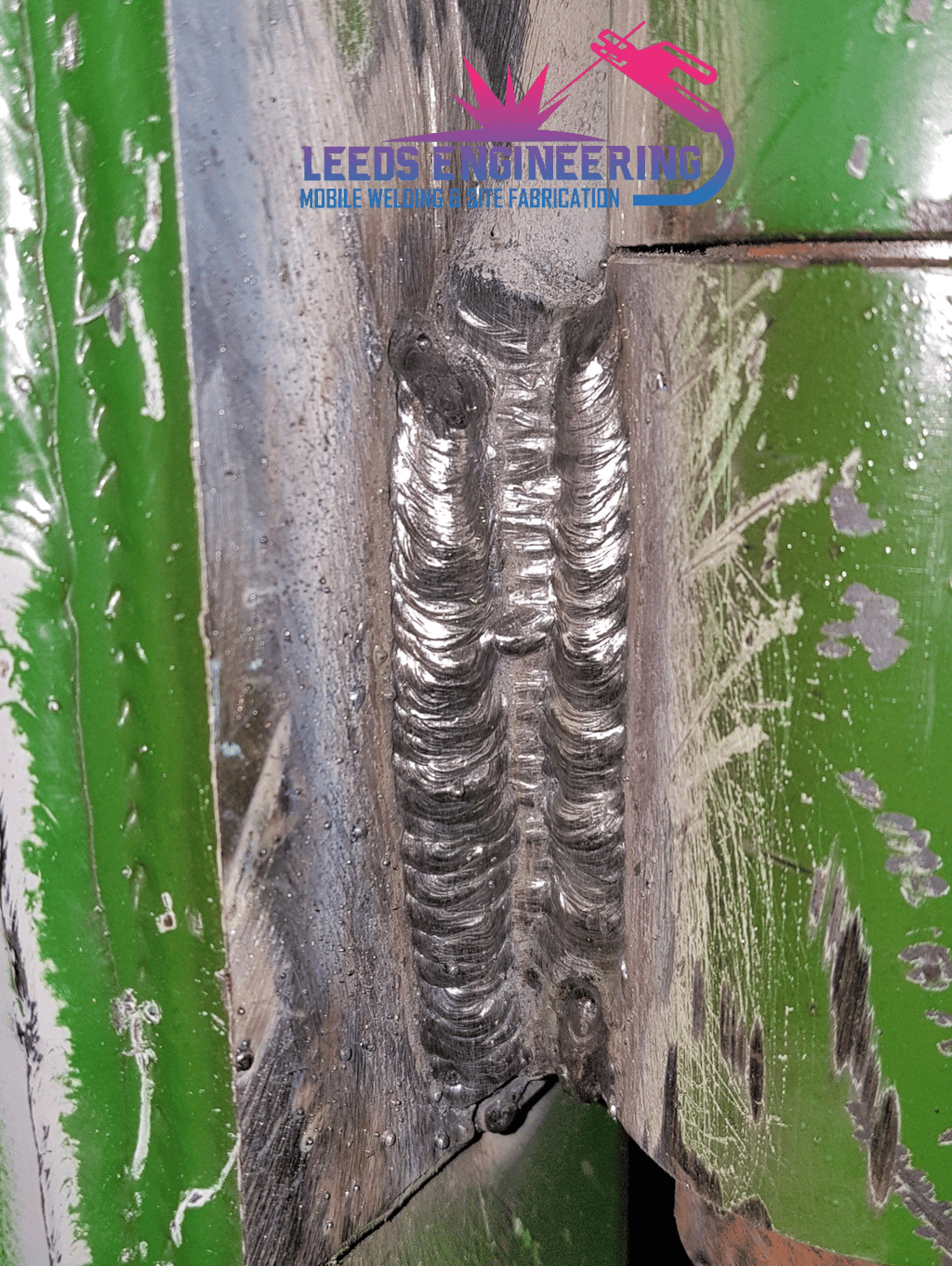
Stick welding, technically known as Shielded Metal Arc Welding (SMAW), is a widely employed welding process characterized by its simplicity and versatility. This method utilizes a consumable electrode coated with flux to create an electric arc between the electrode and the workpiece. As this arc forms, it generates a tremendous amount of heat, causing the electrode to melt and deposit molten metal onto the surfaces being welded. The embedded flux in the electrode coating serves to protect the weld pool from atmospheric contamination, thereby fostering a strong and durable bond between the metals.
The fundamental mechanics of stick welding make it ideal for a wide range of applications across various industries. It is particularly common in construction, manufacturing, and maintenance work where robust joints are essential. The portability of the equipment used in stick welding allows for its effective use in both indoor and outdoor settings, making it adaptable for various project requirements. This flexibility can be a significant advantage in environments that demand quick setups and repairs, such as construction sites or shipyards.
Moreover, stick welding is compatible with numerous types of metals, including steel, stainless steel, and iron, which contributes to its extensive utilization in both industrial and maintenance applications. Its ability to work in adverse conditions, such as windy or outdoor environments, sets this welding method apart from other techniques that may require more controlled settings. In essence, stick welding remains an essential technique in the welding domain, appreciated for its reliability and effectiveness, making it a preferred choice for many professionals and companies, including Leeds Engineering Ltd, who bring expertise and experience to the craft.
The History of Stick Welding
Stick welding, also referred to as Shielded Metal Arc Welding (SMAW), has a rich and storied history that spans over a century. This technique emerged in the late 19th century as a response to the demand for efficient and effective metal joining methods, particularly during the industrial revolution. The initial concept of stick welding can be traced back to the invention of the electric arc welding process in 1888 by Nikolai Benardos and later refined by others. Its evolution laid the groundwork for what would become a pivotal technique in various industries.
By the 1930s, stick welding had gained traction in the manufacturing sector, particularly in the production of ships, bridges, and heavy machinery. The adaptability of this method made it popular among metalworkers, as it allowed for welding in various positions and environments, including outdoor settings where other welding techniques faced limitations. The introduction of coated electrodes in the 1940s further enhanced the stick welding process, providing better arc stability and protection against contamination, which contributed to its widespread use.
In subsequent decades, stick welding underwent significant refinements, primarily due to advancements in technology and materials. The development of more sophisticated electrode coatings and improved welding machines allowed for more efficient and versatile operations. This evolution helped ensure that stick welding remained not only relevant but also a preferred choice for many fabrication and construction projects.
Today, stick welding continues to hold a vital position within the welding industry. Its robust nature and ease of use make it an ideal choice for various applications, from construction to pipeline work. As industries evolve and technologies advance, stick welding remains an essential technique, firmly establishing its place in the annals of welding history.
Advantages of Stick Welding
Stick welding, also known as shielded metal arc welding (SMAW), is a popular welding technique known for its versatile applications and cost-effectiveness. One of the primary advantages of stick welding is its ability to function effectively in various environments. Unlike some other welding methods, which require clean and controlled conditions, stick welding can be performed outdoors and in adverse weather conditions, making it an ideal choice for construction sites and fieldwork.
Cost-effectiveness is another significant benefit of stick welding. The process utilizes basic equipment that is relatively inexpensive compared to other welding technologies. This affordability not only encompasses the initial investment but also the materials involved. The electrodes used in stick welding are typically low-cost and readily available, which further enhances the overall economical aspect of this welding method. Furthermore, since the process requires minimal setup and preparation, companies can save both time and expenses.
Another notable strength of stick welding is its versatility with various metals, including steel and iron. This technique is effective on both thin and thick materials, offering a broad range of applications—from small repairs to larger manufacturing projects. Additionally, stick welding allows for the use of different types of electrodes, providing flexibility depending on the specific material and application requirements.
In relation to other welding techniques, stick welding often outperforms in regards to portability and ease of use. Welders can easily transport equipment and set up their workspace without relying heavily on bulky machinery or specialized environments. This aspect of stick welding aids in meeting tight production schedules where mobility and quick work execution are vital.
Common Applications of Stick Welding
Stick welding, officially known as Shielded Metal Arc Welding (SMAW), is an immensely versatile technique utilized across various industries for its reliability and effectiveness. One of the primary domains where stick welding is prominently applied is the construction industry. Here, it's employed for joining structural steel components, creating frameworks, and ensuring robust connections in buildings, bridges, and other infrastructures. The adaptability of stick welding in different environmental conditions makes it a preferred choice for construction projects, especially where portability and fieldwork are necessary.
Another significant application of stick welding is in the automotive sector. In this industry, it is utilized primarily for repair work, as well as assembling parts and components of vehicles. Stick welding's capability to join diverse metals and its strong penetration make it suitable for various steel components found in cars, trucks, and machinery. Additionally, it is often used to weld exhaust systems, chassis elements, and frame repairs, displaying its potential in providing durable solutions to automotive manufacturing and maintenance needs.
Moreover, stick welding plays a crucial role in pipe fitting applications. Industries such as oil and gas, plumbing, and other manufacturing sectors rely on this welding method for its capacity to handle various pipe sizes and materials. The technique is employed to create and maintain piping systems that must withstand high-pressure conditions, ensuring safe and effective operation. Overall, stick welding serves as an indispensable skill in pipe fitting and maintenance, showcasing its prominence in the industry.
Lastly, stick welding is frequently used for general repairs in numerous fields. This encompasses work on machinery, equipment, and structural elements that are subjected to wear and tear over time. Its accessibility and ease of use in repair scenarios highlight why stick welding remains a favored choice for not only large projects but also for small-scale repairs. Its widespread applications across construction, automotive, pipe fitting, and maintenance sectors underline the vital role stick welding plays in everyday manufacturing and upkeep.
Why Choose Leeds Engineering Ltd for Stick Welding
When seeking reliable and efficient stick welding services, Leeds Engineering Ltd stands out as a trusted provider within the industry. Their team brings extensive expertise and a deep understanding of welding techniques, particularly in stick welding, ensuring that projects are executed to the highest standards. The skilled workforce at Leeds Engineering Ltd comprises experienced professionals who are adept in various welding methods, possessing the knowledge needed to tackle even the most complex projects.
One of the key factors that sets Leeds Engineering Ltd apart is their commitment to employing only the finest tools and materials. By utilizing high-quality equipment and materials, they ensure that every welding job is executed with precision and durability in mind. This focus on quality not only enhances the structural integrity of the welds but also significantly reduces the risk of defects and rework. Customers can trust that they receive a level of craftsmanship that is synonymous with Leeds Engineering Ltd's reputation.
Furthermore, customer satisfaction is at the core of their operational philosophy. Leeds Engineering Ltd prioritizes clear communication and collaboration with clients throughout the entire welding process. This customer-centric approach enables them to better understand client requirements, thereby tailoring their services for optimal alignment with project goals. By consistently delivering quality stick welding services, Leeds Engineering Ltd has cultivated a strong reputation in the industry, which is reflected in positive testimonials from previous clients.
In summary, with a highly skilled workforce, a commitment to using top-tier tools and materials, and a strong dedication to customer satisfaction, Leeds Engineering Ltd is highly regarded as your go-to expert for stick welding services. This combination of expertise and commitment to quality makes them an excellent choice for anyone seeking reliable and efficient welding solutions.
Customer Testimonials and Success Stories
Leeds Engineering Ltd has consistently received positive feedback from customers who have utilized their stick welding services. These testimonials not only highlight the quality of work but also demonstrate the company's commitment to customer satisfaction. One notable project involved the fabrication of custom steel structures for a local manufacturing facility. The project manager stated, "Leeds Engineering transformed our vision into reality with their exceptional stick welding techniques. The durability and precision of their work exceeded all expectations!" This feedback exemplifies how their expertise in stick welding ties into the successful execution of complex projects.
Another significant success story involves the renovation of an old bridge where Leeds Engineering Ltd applied their stick welding expertise to restore its structural integrity. A representative from the local council remarked, "The team at Leeds Engineering went above and beyond to ensure that the project adhered to the strict deadlines while maintaining the highest safety standards. Their professionalism and craftsmanship were evident throughout the process, and the completed bridge is a testament to their skillful application of stick welding methods." This project not only showcases the effectiveness of their welding techniques but also reinforces the vital role of customer collaboration in achieving outstanding results.
Moreover, repeat business stands as a testament to the trust clients place in Leeds Engineering Ltd. A satisfied client from the aerospace industry shared, "We've consistently relied on Leeds Engineering for our welding needs due to their unmatched quality and service. Their stick welding capabilities have allowed us to complete numerous projects that demand precision and reliability. We look forward to continuing our partnership with them." Such endorsements underline the firm’s reliability and expertise in stick welding applications.
Conclusion and Call to Action
Throughout this blog post, we have explored the fundamentals of stick welding, emphasizing its versatility and effectiveness in various applications. Stick welding, also known as shielded metal arc welding (SMAW), remains a preferred choice for many industries due to its simplicity and cost-effectiveness. This welding technique is particularly admired for its ability to function in diverse environments and its suitability for a variety of materials, making it indispensable for both professional welders and DIY enthusiasts.
Leeds Engineering Ltd stands out as a leading expert in this field, offering extensive experience and expertise in stick welding. Our team is committed to providing high-quality welding solutions tailored to meet the unique needs of each project. We pride ourselves on our attention to detail, ensuring that our welds are not only robust but also executed with precision. Clients can trust our commitment to safety and standards, knowing that they receive only the best service from a reputable provider.
If you are considering a project that requires stick welding, we invite you to reach out to Leeds Engineering Ltd today. Whether you need further information, wish to schedule a consultation, or require a quote for your welding needs, our dedicated team is here to assist you. We believe that every project deserves expertise and quality, and we are eager to bring our skills to your next endeavor.
Contact us today to discover how Leeds Engineering Ltd can help you achieve the finest results in stick welding, tailored specifically for your project’s requirements.
Services
© 2024. All rights reserved.