Mobile Welders: The Ultimate Guide for Leeds Engineering Ltd
5/27/20264 min read
Understanding Mobile Welding Services
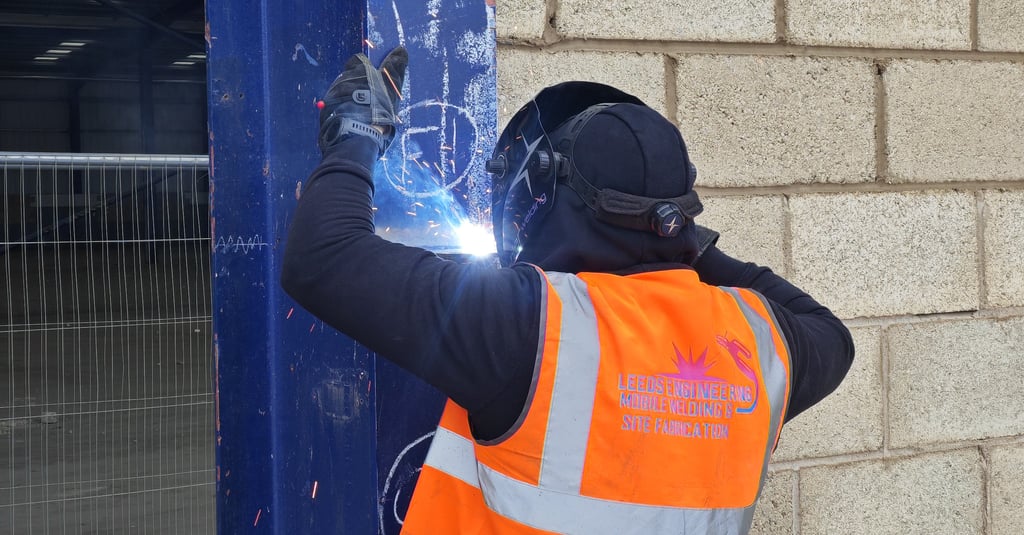
Mobile welding services represent a modern approach to welding that prioritizes convenience and efficiency. Unlike traditional welding services that require clients to transport materials to a fixed workshop, mobile welders bring their equipment directly to the job site. This on-site capability allows for significant time savings and increased flexibility, which are invaluable in fast-paced industries such as construction, automotive, and manufacturing.
One of the key benefits of mobile welding is the ability to perform repairs and fabrication at various locations. For businesses, this means less downtime and reduced logistical challenges. Workers do not need to spend valuable time transporting heavy components, which can often lead to delays in project timelines. Furthermore, mobile welders are equipped with tools and technology that allow them to handle a range of welding tasks, from minor repairs to complex fabrications, all while ensuring high-quality results.
Furthermore, the versatility of mobile welding services extends across several industries. In the construction sector, for instance, mobile welders provide essential support in the assembly and repair of structural components. Similarly, the automotive industry benefits from mobile welding in the maintenance of vehicles, where immediate repairs can prevent further damage and ensure optimum performance. Manufacturing also sees enhanced efficiency as mobile welders can collaborate closely with production teams to address welding needs without disrupting workflow.
In conclusion, mobile welding services offer a practical solution that accommodates the dynamic requirements of various sectors, enabling businesses to enhance their productivity while ensuring quality workmanship. Adopting these services can effectively contribute to operational success, allowing industries to maintain their competitive edge in an ever-evolving market.
Key Features of Mobile Welding Equipment
Mobile welding equipment is a cornerstone for professionals who engage in on-site welding tasks. These mobile welding solutions are designed for versatility and portability, allowing operators to perform a variety of tasks in different locations with ease. One of the essential features of mobile welding equipment is the integrated power source. Typically, these machines are equipped with either diesel or gasoline engines, ensuring that they can operate independently of external power supply, which is particularly beneficial in remote or outdoor settings.
Another significant feature of mobile welding equipment is its compact design. Unlike traditional welding equipment that may be bulky and stationary, mobile welding machines are designed with portability in mind. This ensures that welders can easily transport the machinery to various job sites, increasing their operational efficiency. Portable welding machines often include advanced technologies such as inverter technology, which allows for more precise control over the welding process while significantly reducing energy consumption.
Safety is paramount in any welding operation, and mobile welders must be equipped with appropriate safety gear. This includes welding helmets, gloves, protective clothing, and respiratory protection. Many modern mobile welding units also incorporate features that enhance the safety of the operator. For instance, machines with built-in error diagnostics can alert users to potential issues before they become hazardous. Additionally, advancements in shielding gas technology have contributed to improved safety standards, reducing the risks associated with gas emissions during welding.
Moreover, the right mobile welding equipment can vastly influence the quality of work. Superior equipment allows for more accurate welding, which is crucial for structural integrity and appearance. For example, mobile welders utilizing advanced MIG or TIG welding techniques often achieve a higher finish quality compared to those using older methods. In conclusion, the right mobile welding equipment—combining portability, advanced technology, and safety features—can significantly enhance the effectiveness and efficiency of welding operations.
Choosing the Right Mobile Welder for Your Project
Selecting a mobile welder for your engineering project is a critical decision that can influence the quality of your results and overall satisfaction. To begin, it is imperative to check the credentials of potential mobile welders. Ensure that they possess relevant certifications that meet industry standards, as these signify a welder's competency and adherence to safety regulations. Additionally, consider their experience level; a welder who has worked on similar projects is often better equipped to handle the specific challenges that may arise.
When evaluating candidates, pay attention to their expertise with various materials and welding techniques. Different projects may require specific welding styles, such as MIG, TIG, or stick welding, each associated with unique materials and methodologies. Assess whether the welder has a proven track record in these techniques to ensure they can execute your project effectively. A proficient mobile welder will be able to demonstrate adaptability across various materials, whether it be steel, aluminum, or other materials pertinent to your project.
Customer reviews and past project portfolios serve as valuable assets when assessing potential candidates. Testimonials from previous clients can provide insight into the welder's reliability, adherence to deadlines, and overall workmanship. A detailed portfolio showcasing past projects can also illustrate the welder’s skills and versatility. When reviewing this information, look for projects that mirror your requirements, as they can provide a realistic expectation of the output you might receive.
Ultimately, choosing the right mobile welder encompasses a combination of verifying credentials, assessing experience, evaluating specific expertise, and analyzing customer feedback. This thorough approach will aid in selecting a qualified mobile welder who is capable of delivering exceptional results tailored to your engineering needs.
The Future of Mobile Welding Innovations
The landscape of mobile welding is constantly evolving due to rapid advancements in technology. In recent years, innovations such as automation and robotics have made substantial impacts on the efficiency and precision of welding operations. Automated welding systems, including robotic arms and computer-controlled machines, help in reducing human error and increasing the speed of welding tasks. This technological shift not only improves output quality but also allows mobile welders to handle larger and more complex projects in a timely manner.
In addition to automation, the development of new welding techniques has played a significant role in advancing mobile welding capabilities. Techniques such as friction stir welding and laser welding are becoming more common among mobile welding professionals. These methods offer superior strength, increased efficiency, and reduced thermal distortion, thereby enhancing the overall quality of welded joints. As these advanced techniques become more refined and accessible, mobile welders will be better equipped to meet the diverse needs of their clients.
Furthermore, the integration of sustainable practices is transforming the mobile welding sector. With heightened awareness regarding environmental issues, mobile welders are increasingly prioritizing green practices in their operations. This includes the use of eco-friendly materials, minimizing waste, and implementing energy-efficient processes. Innovations such as using alternative energy sources for welding equipment and recycling materials are paving the way for a more sustainable approach in the field. Embracing these practices not only contributes to a healthier environment but also enhances the public image of welding services.
As mobile welding continues to adapt to these innovative trends—automation, new techniques, and sustainable practices—it is clear that the future of the industry will be marked by improvements in both efficiency and environmental responsibility. These advancements will empower mobile welders to offer enhanced services while promoting a sustainable future for their operations.
Services
© 2024. All rights reserved.